- BY erpenstine
- POSTED IN Latest Blogs, roof leaks, roof maintenance, Roofing, Tile Roofing, Waterproofing
- WITH 0 COMMENTS
- PERMALINK
- STANDARD POST TYPE
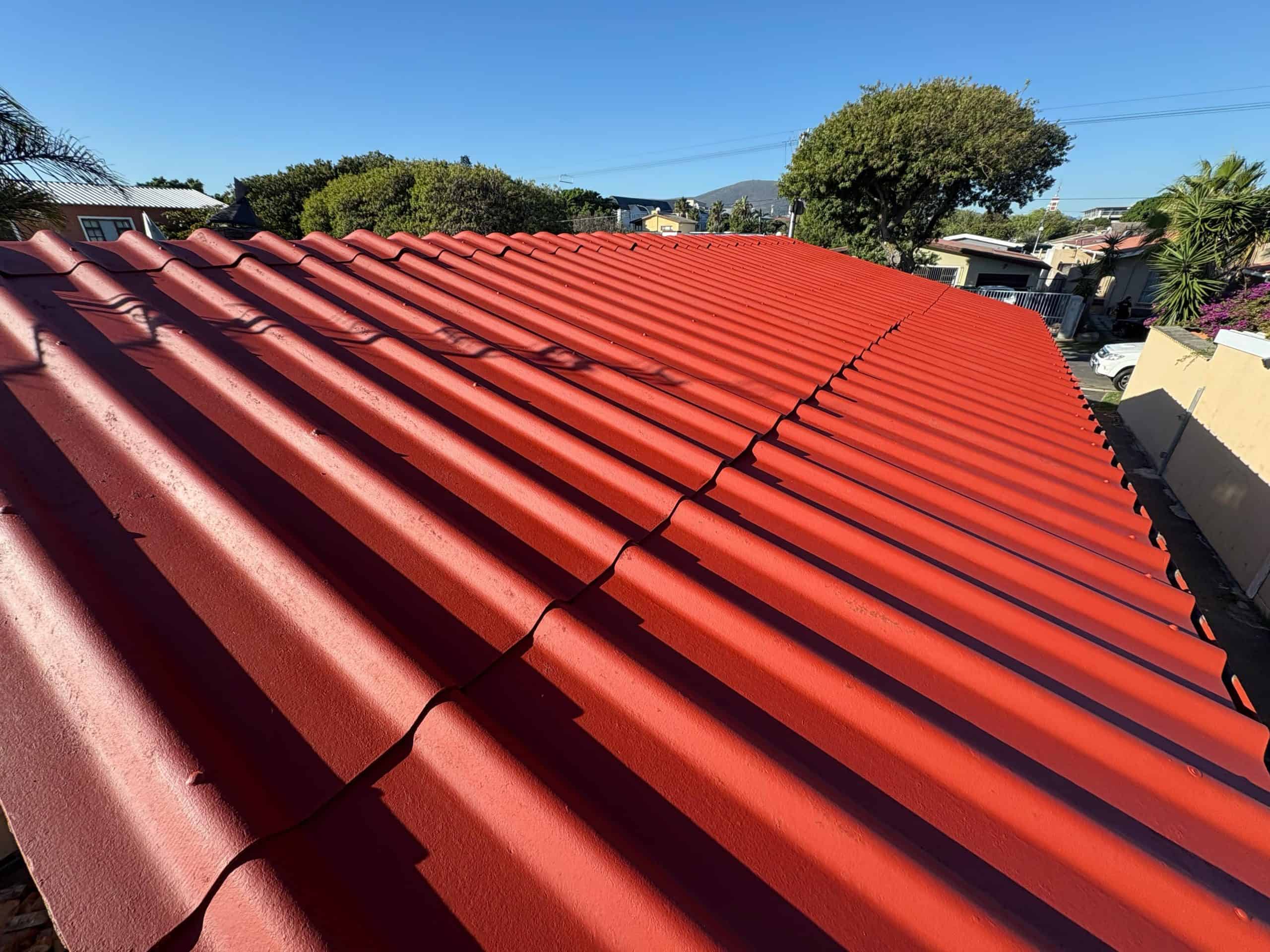
When considering how to deal with an asbestos roof, both sealing (encapsulation) and rubberising are options, but sealing asbestos roofs generally offers several advantages, particularly in the context of managing the asbestos itself.
Here’s a breakdown of the advantages of asbestos roof sealing (encapsulation) over rubberising:
Advantages of Asbestos Roof Sealing (Encapsulation):
- Cost-Effectiveness: Encapsulation is almost always significantly cheaper than complete asbestos removal and replacement.1 Removal involves highly specialised procedures, strict regulatory compliance for disposal, and often requires rebuilding parts of the roof structure, all of which are very expensive.2
- Minimised Disruption: Sealing an asbestos roof is a less intrusive process.3 It can often be completed quickly, minimising downtime for businesses or inconvenience for residents 4. Asbestos removal, by contrast, is a major undertaking that can disrupt operations for an extended period.
- Enhanced Safety (Controlled Asbestos): The primary goal of asbestos encapsulation is to safely contain the harmful asbestos fibres.5 A specialised sealant penetrates the asbestos material, binding the fibres together and creating a protective barrier that prevents them from becoming airborne.6 This significantly reduces the risk of exposure to workers and building occupants, which is a major concern with deteriorating asbestos roofs.7
- Extended Roof Lifespan: The protective coating applied during encapsulation shields the asbestos roof from further weathering, UV damage, and deterioration. This extends the serviceable life of the existing roof, postponing the need for costly replacement.
- Compliance: Properly executed asbestos encapsulation by professionals can help property owners comply with health and safety regulations regarding asbestos management, often with less stringent requirements than full removal.8
- Aesthetic Improvement: Encapsulation coatings can improve the appearance of an ageing asbestos roof, offering a range of colours and a clean finish.
- Waterproofing and Structural Reinforcement: Many asbestos sealing products also provide excellent waterproofing properties, preventing leaks and further damage to the roof structure. Some even add flexural strength, reinforcing the roof.
- Vegetation Control: Encapsulation can inhibit the growth of moss, algae, and lichen, which can further degrade asbestos roofs and contribute to fibre release.
What about Rubberising?
“Rubberising” often refers to applying a liquid rubber coating.9 While liquid rubber products can offer excellent waterproofing and flexibility, and some products are specifically formulated for asbestos encapsulation, it’s crucial to distinguish between a general rubber coating and a sealant specifically designed for asbestos.
- General Rubberising: If a rubber coating is applied without proper preparation and a specialised primer designed to penetrate and bind asbestos fibres, it may only offer surface protection. It might not adequately encapsulate the loose fibres within the asbestos material, potentially still allowing fibre release if the underlying asbestos deteriorates further or the coating is compromised.
- Rubberising as Encapsulation: Many reputable companies use liquid rubber products as part of their asbestos encapsulation process. In this case, the liquid rubber is typically applied after a specialised primer/bonding agent has been used to penetrate and seal the asbestos fibres.10 This combination effectively achieves the benefits of encapsulation, offering both fibre containment and superior waterproofing and durability.
Key Consideration:
The critical factor when dealing with asbestos roofs is encapsulation – the process of sealing and binding the asbestos fibres to prevent their release.11 Whether a “rubberising” product is suitable depends on whether it is explicitly designed and certified for asbestos encapsulation, meaning it has the necessary properties to penetrate, bind, and seal the fibres, not just provide a surface coating.
In summary, asbestos roof sealing (encapsulation) is generally advantageous over generic rubberising because it directly addresses the health hazard of asbestos by containing the fibres, while also providing significant cost, time, and structural benefits. Always ensure that any work on an asbestos roof is carried out by qualified professionals adhering to strict safety guidelines and using appropriate, certified encapsulation products.
Asbestos. The word alone can strike fear into the hearts of homeowners and business owners alike. While it’s true that this mineral can pose serious health risks, it doesn’t always require drastic measures like removal. In fact, encapsulation offers a safer, more cost-effective, and less disruptive solution for asbestos in good condition.
If you have concerns about asbestos in your property, contact us today. Our experts can provide a thorough assessment and recommend the most appropriate management solution.
For more information, view this article: Don’t Panic! Safer Asbestos Management with Encapsulation
Contact Us for Asbestos Roof Solutions
Ready to protect your property and extend the life of your roof? Contact us today to discuss the best asbestos roof sealing and encapsulation solutions for your needs.