- BY erpenstine
- POSTED IN Airless Roof Spray Painting, asbestos roof, asbestos roof encapsulation, Latest Blogs
- WITH 0 COMMENTS
- PERMALINK
- STANDARD POST TYPE
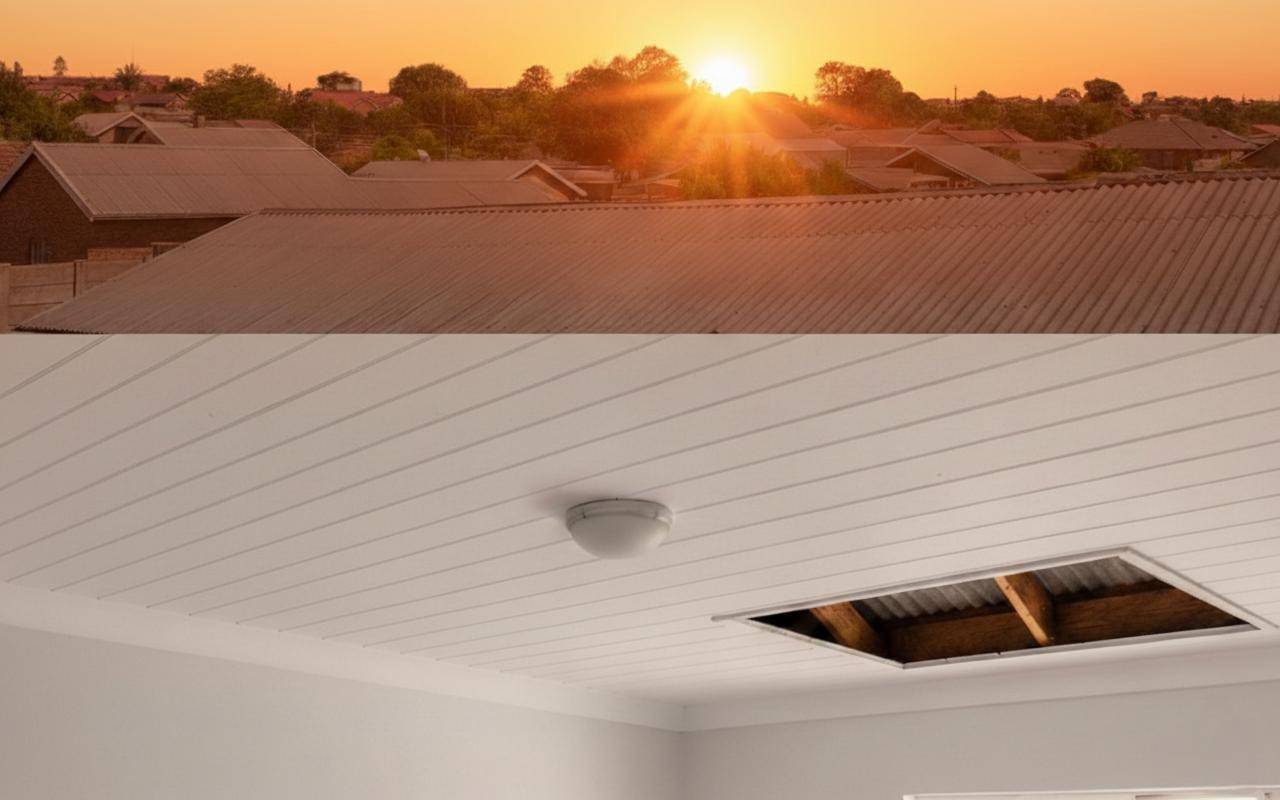
If you live in an older South African home, chances are you’re sitting under an asbestos cement roof—often called “Big Six” or corrugated asbestos. For years, we’ve been told that asbestos is the ultimate bogeyman. While it’s true that asbestos fibres are dangerous if inhaled, there is a lot of misinformation about what you actually need to do to stay safe.
One of the most common questions homeowners ask is: “Do I need to pay a contractor to seal or encapsulate the inside of my roof sheets?”
In the vast majority of cases, the answer is a firm no. Here is the straight talk on why interior sealing is usually a waste of your hard-earned Rands.
1. If It’s Not Crumbling, It’s Not Killing
Asbestos is only a health risk when it is friable. This is a fancy word meaning the material can be crumbled or turned into dust by hand.
South African asbestos roof sheets are “non-friable.” The hazardous fibres are locked tightly inside a hard cement DIY mix. As long as those sheets are sitting still and aren’t being drilled, sanded, or smashed with a hammer, they aren’t releasing fibres into your home.
2. The “Ceiling Shield”
Most South African homes built with asbestos roofing have a standard ceiling board underneath the roof space.
- The Barrier: Your ceiling acts as a natural physical barrier.
- The Air Gap: Even if a microscopic amount of dust weathered off the inside of a sheet, it would settle on top of your ceiling boards in the “dead air” space of the attic. It doesn’t just float through the boards into your lounge.
3. Sealing Can Actually Be More Dangerous
This is the part many contractors won’t tell you. To “seal” or “encapsulate” the inside of a roof properly, the surface usually needs to be cleaned or prepped.
- Disturbing the Sleeping Giant: If a worker goes up there with a brush or a vacuum, they are more likely to disturb the asbestos and create dust than if they had just left it alone.
- The Golden Rule: In the world of asbestos management, the best practice is often “leave it be.” If the sheets are in good structural condition, disturbing them to apply a coat of paint is an unnecessary risk.
4. Gravity and Weathering
The outside of your roof takes a beating from the South African sun and hail. This is where the cement can wear down over decades, potentially exposing fibres. This is why people paint the outside.
The inside, however, is protected from the elements. It doesn’t face UV rays, rain, or wind. Because it isn’t “weathering,” the inside of the sheet stays stable for much, much longer than the exterior.
5. What the Law Says
South African Asbestos Abatement Regulations focus on the identification and management of asbestos. The law does not require you to seal the inside of a residential roof unless the material is actively damaged or deteriorating into a powdery state. If a contractor tells you it’s “the law” to seal the inside of a perfectly solid roof, they’re likely just looking for a payday.
The Bottom Line
If your roof isn’t leaking and the sheets aren’t cracked or falling apart, don’t stress about the inside. Your money is better spent keeping the outside in good condition with a high-quality, specialised roof sealant to prevent the sheets from becoming brittle. Leave the inside to do what it does best: sitting there quietly and keeping you dry.
Don’t Get “Roof-Winked” by a Sales Pitch
Now that you know the truth, don’t let a contractor’s scare tactics drain your bank account. If your roof sheets are solid and your ceiling is intact, you are already protected.
Spend your money where it counts: Focus on keeping the outside of your roof well-maintained and painted to prevent weathering. Leave the inside to do what it does best—staying exactly where it is.
Protect your investment and extend your roof’s life. Contact us today for a consultation and quote.