- BY erpenstine
- POSTED IN Chromadek Roof, colorbond roofing, Concrete Tile Roofing, Corrugated Metal Roofing, Klip-Lok Roofing, Latest Blogs, roof replacement
- WITH 0 COMMENTS
- PERMALINK
- STANDARD POST TYPE
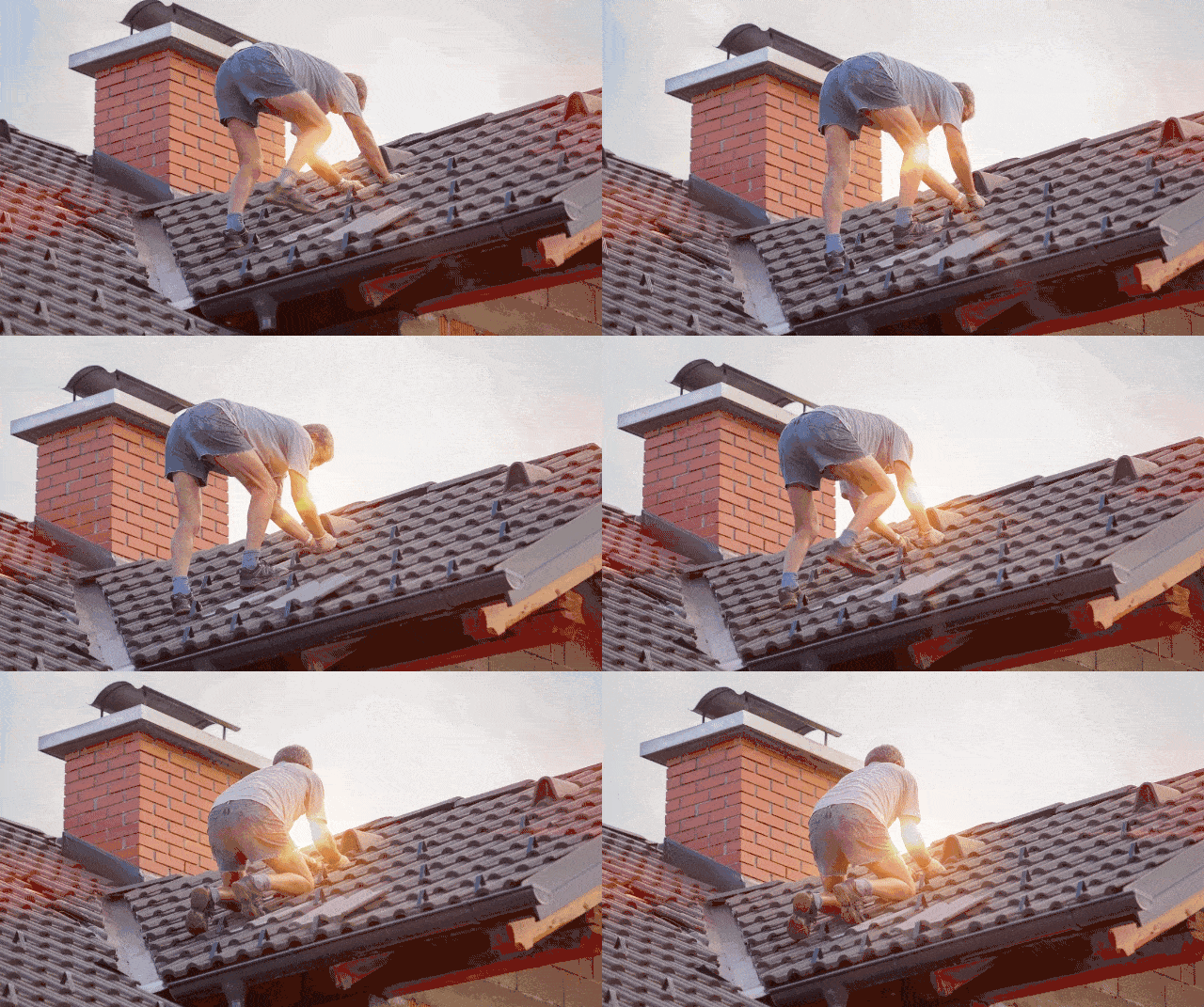
The South African climate, with its mix of sunshine and heavy rains, can take a toll on your roof over time. If your roof is nearing the end of its lifespan, replacing it is crucial to protect your home from leaks, structural damage, and other problems. Here’s a guide to help you navigate the process of replacing an ageing roof in South Africa:
Signs Your Roof Needs Replacing:
Most roofs in South Africa have a lifespan of 20-30 years, depending on the material. If your roof is approaching or exceeding this age, it’s wise to consider a replacement.
Look for cracked, missing, or loose tiles, sagging rooflines, and water stains on the ceiling or walls. These are all signs of potential problems that require immediate attention.
Even a small leak can lead to major damage if left unaddressed. If you notice any leaks in your roof, it’s time for a replacement.
An ageing roof can be less efficient at insulating your home, leading to higher energy bills. Replacing your roof with a more energy-efficient option can save you money in the long run
Choosing a New Roof:
Popular options in South Africa include concrete tiles, metal roofs (like IBR and Colorbond), and slate. Each material has its advantages and disadvantages in terms of durability, cost, and aesthetics. Consider your budget, climate, and desired look when making your decision.
The colour of your roof can affect the heat absorption and overall look of your home. Consider factors like local building regulations and your personal preferences when choosing a colour.
Make sure the roof you choose comes with a comprehensive warranty that covers materials and labour.
Financing Your Roof Replacement:
Paying upfront is the most cost-effective option, but it’s not always feasible.
Several banks and financial institutions offer loans specifically for home improvement projects.
The Replacement Process:
You may need to obtain permits from your local municipality before starting the project.
The contractor will carefully remove the old roof material, ensuring proper disposal.
A new underlayment and insulation will be installed to improve waterproofing and energy efficiency.
The contractor will clean up the worksite and remove any debris and rubble.
Additional Tips:
Before starting the project, sign a contract that outlines the scope of work, materials, timeline, and cost.
Roof replacement can be a noisy and messy process. Make arrangements for alternative accommodation if necessary.
Avoid rainy seasons and extreme weather conditions.
By following these guidelines and carefully planning your project, you can ensure a smooth and successful roof replacement for your South African home.
To learn more about our roofing systems and to schedule a roof replacement, contact us today.